
Creating the Generative Conditions for Imaginative Research Futures
Futures thinking is the capability to use anticipated and imagined futures deliberately: to explore horizons and question assumptions to inform present decisions.
It is readily teachable but largely absent from current researcher training and development.
The CoGIF project sought to fill this gap, and to adapt futures methods for practical use in research contexts.
Underlying futures thinking is prospection, our capacity to imagine and evaluate possible futures. These psychological capacities depend on the conditions that research pressures tend to erode: time, psychological safety, and mental space.
We explored how surrounding relational and institutional contexts affect futures thinking with recommendations for future practice in research cultures.
The CoGIF Project originated from curiosity, frustration, and a sense of possibility for the future of research cultures.
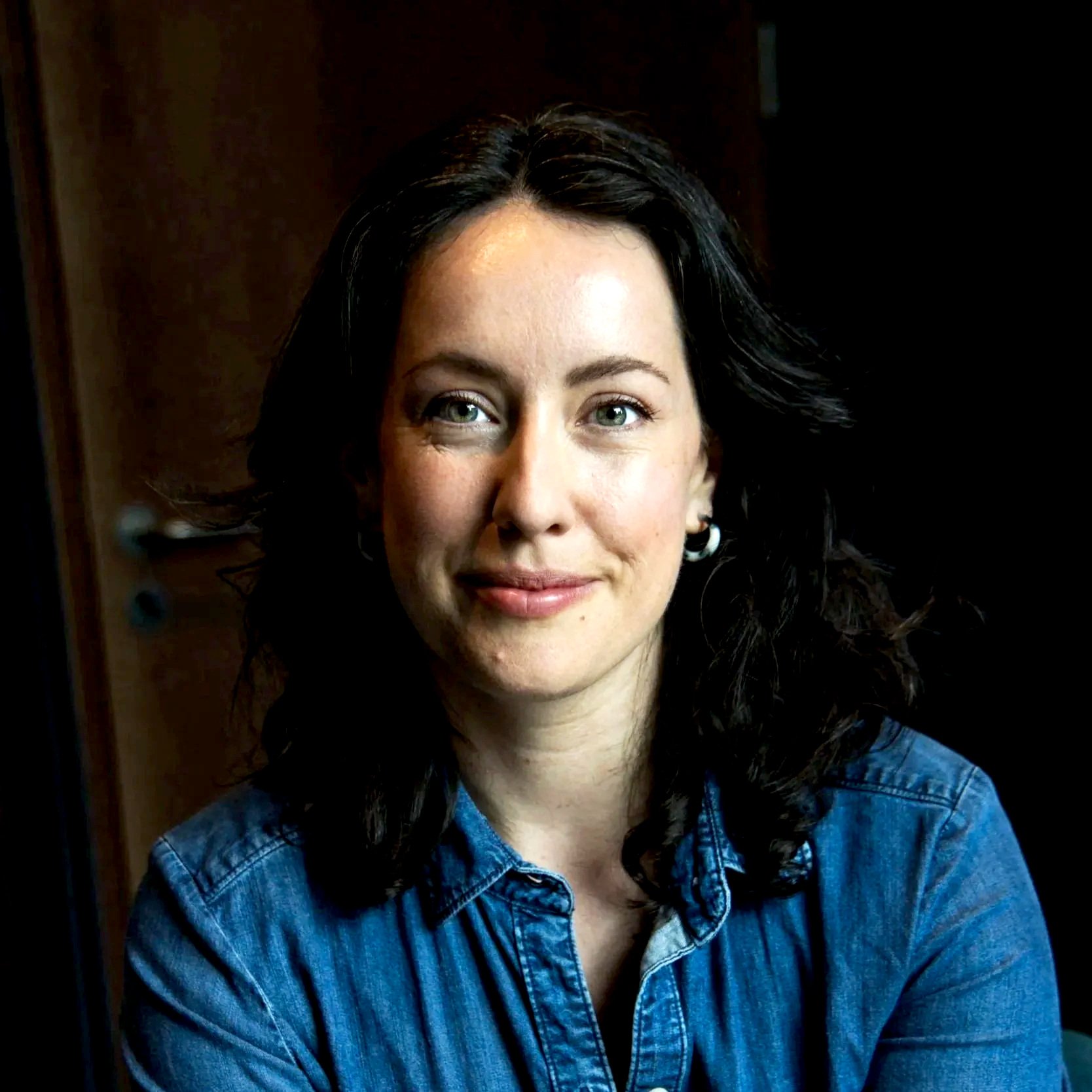
Emily Shipp
Researcher, Psychology of Futures Thinking
Associate, Edinburgh Futures Institute
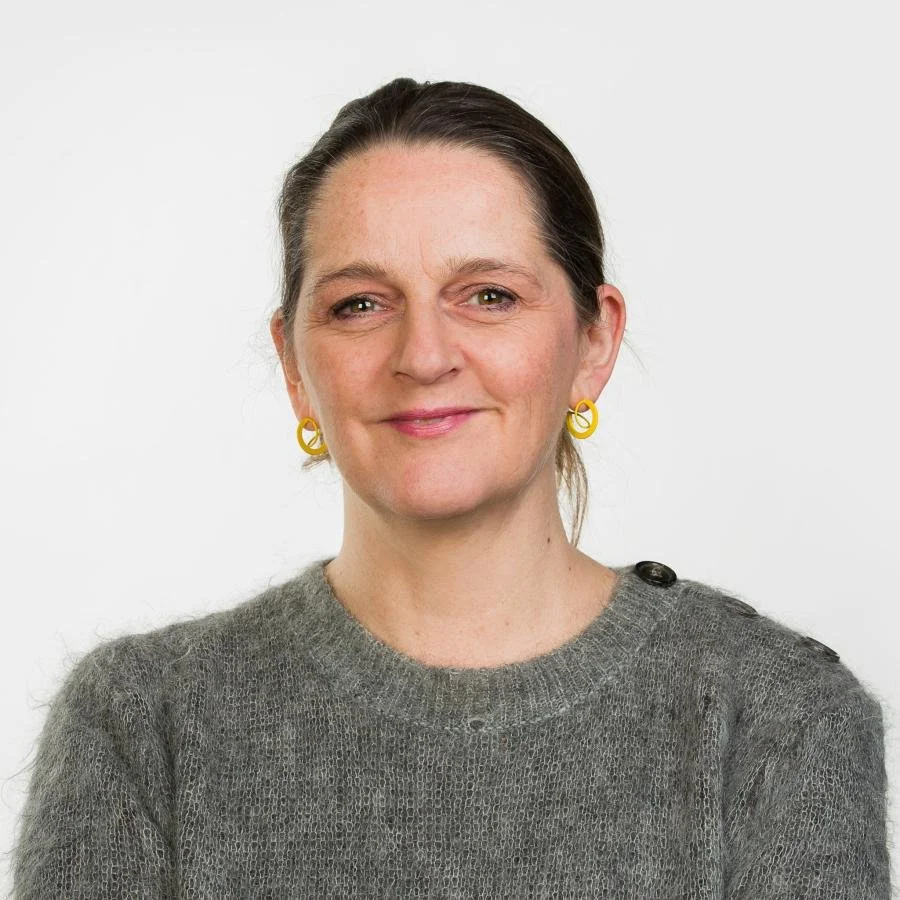
Professor Sarah Kettley
Chair of Material and Design Innovation
Edinburgh College of Art
Steve Earl
Head of Foresight
Edinburgh Futures Institute
Workshops
Vision Creation for Research Project Leads
A compelling vision is crucial for pitching new proposals to funders and inspiring others. This workshop applies up to the minute research from the psychology of prospection and imagination to guide staff through the process of developing a compelling vision, which can be used for research proposals or for pioneering new initiatives
Making sense of change
In a fast-changing research and funding environment, it’s not always easy to see what’s coming - let alone how to prepare for it. This session is for researchers who want to stay ahead of the curve, make sense of big-picture trends, and think more proactively about how this relates to their field, discipline, or policy context.
Reclaiming Energy and Purpose in Research
This session offers space to slow down, reflect, and explore what brings meaning, curiosity, or creative spark in research, especially in times of fatigue or uncertainty. We work with personal narratives, metaphors, and prompts, using futures methods for personal and career reflection.
Exploring alternate futures
Imagining otherwise is a powerful starting point for new ways of thinking. This workshop is for those seeking to question assumptions in their field, challenge dominant narratives, and explore alternative futures for their research.